You want smoke, char, and that moment when the table goes quiet at the first chew. There’s a cut quietly winning that game, and it isn’t the one most people expect.
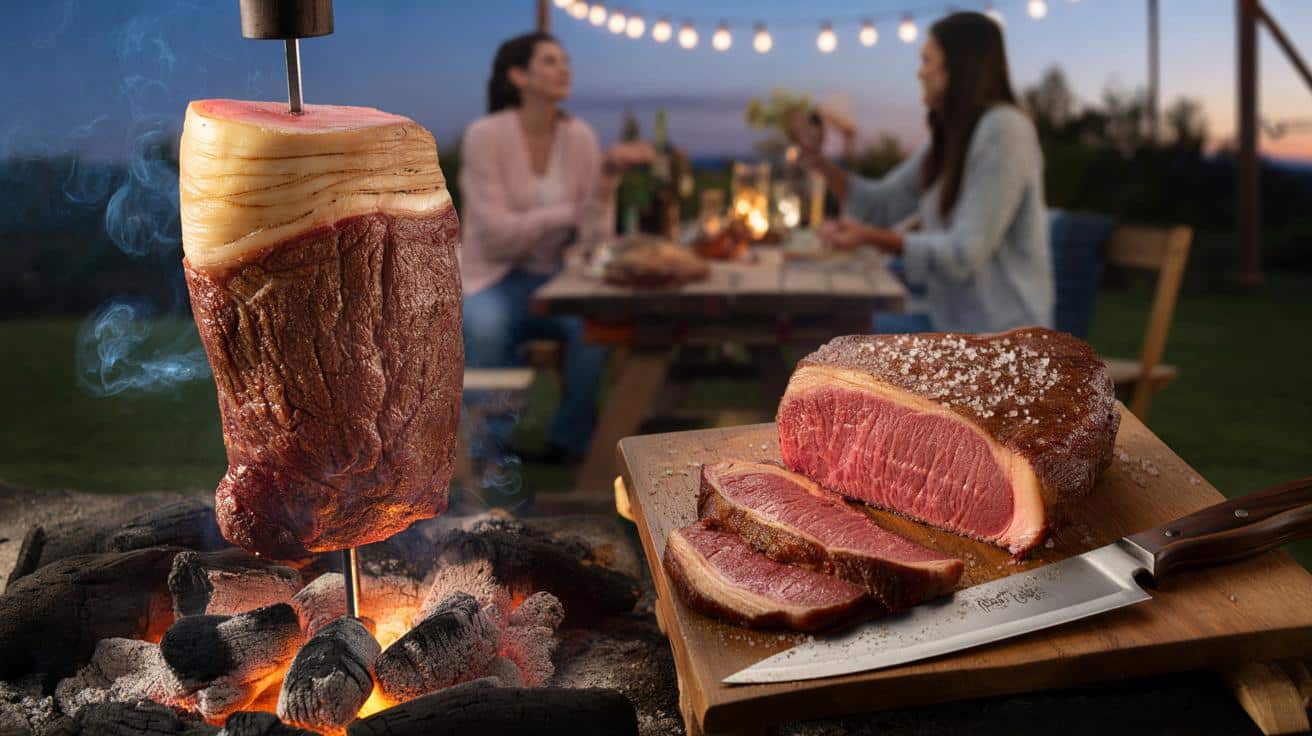
The evening felt like a postcard: fading light, a frayed picnic table, friends wrapped in cardigans, and a grill humming low. A butcher friend dropped a triangular hunk of beef on the board, thick fat cap shining like lacquer. He salted it as if he were painting a fence, then set it fat-side down, no rush, no drama. I watched the fat whisper into the fire and come back up as perfume. When he sliced, the grain lined up like a map, and the knife moved as if the meat wanted to fall in love. People guessed filet. Someone whispered T‑bone. He smiled and shook his head. The secret wore a fat cap.
The cut expert grillers reach for
The name is **picanha**, also known as the rump cap. In American meat cases you’ll spot it as the **sirloin cap / culotte**. It’s a small, triangular muscle that sits atop the sirloin, crowned by a firm, pearly fat cap. On the fire it behaves like a well-trained athlete: quick sear, steady render, juicy to the core. Price-wise, it sits well below a grand Fiorentina, yet it eats with a silkiness that can embarrass pricier steaks.
I first fell hard for it at a no-frills rodizio on a rainy Tuesday. The grillman scored the fat, showered coarse salt, and carried skewers like walking chandeliers. When slices hit the plate, they bled clear, not red, and the edges snapped with char. In the last year, neighborhood butchers brag that “picanha weekends” sell out by noon, and home cooks swap tips the way people trade sourdough starters. Search interest has risen, yes, but the real signal is simpler: once people grill it once, they buy it again.
Why it works is part anatomy, part physics. The rump cap has a long, readable grain and enough intramuscular fat to feel plush. That external cap renders slowly, basting from the outside while the inside warms. Slice across the grain and the fibers shorten, so each chew feels gentler, almost filet-like. Tenderloin might win a lab test on pure softness, yet picanha delivers a richer “melt” thanks to warm fat and a sharper crust. It’s that interplay—fat, grain, heat—that fools the tongue in the best way.
How to buy, prep, and grill it like a pro
Ask for a whole picanha, 1–1.5 kg, with a fat cap around a finger thick. Trim silver skin on the meat side, but leave the cap intact; it’s your insurance and your flavor. For steaks, cut with the grain into 2–3-finger-thick slabs, then you’ll slice the cooked pieces against the grain on the board. On the grill, start fat-side down over moderate heat to render slowly, then move to higher heat for a quick char. Salt is your baseline, not a negotiation.
Common mistakes are small and fixable. Don’t shave the fat cap to nothing, and don’t scorch it too fast; you want a steady sizzle, not a flare-up inferno. Turn more than once if you need to keep the fire honest. Pull at medium-rare to medium; beyond that, the texture tightens and the magic fades. We’ve all had that moment when a beautiful cut went a shade too far and our heart sank. Let’s be honest: nobody does this every day.
Skewers are optional, flavor isn’t. If you go rodizio-style, fold steaks into crescents, cap side out, and thread them on a sturdy skewer so the fat faces the heat. Baste with the rendered fat from your pan or drip tray for a glossy, savory finish.
“The fat cap is a built‑in baster,” says a veteran pitmaster I trust. “Treat it with respect, and it pays you back with every slice.”
- Buy by name: picanha, rump cap, sirloin cap, culotte.
- Look for a firm, white cap and deep, even color on the lean.
- Score the fat lightly; don’t cut into the meat.
- Cook fat-side down first, then finish hot for crust.
- Rest 8–10 minutes, then slice across the grain, thin and confident.
The rivals worth knowing
If your butcher shrugs at picanha, there are cousins with similar payoff. Tri‑tip rides the same region, larger and leaner, brilliant for reverse‑sear and slicing for a crowd. Flat iron sits on the shoulder and is the **flat iron** you’ve heard chefs quietly champion—super tender, dense with flavor, fantastic over high heat. Hanger steak brings minerality and chew that rewards a perfect medium‑rare.
Each one asks for a slightly different hand. Tri‑tip likes a slow climb and a fierce finish, plus a two‑zone fire and a patient rest. Flat iron wants a hard, quick sear and a quick carve; overcook and it sulks. Hanger needs a hot hand and a sharp knife, then paper‑thin slices across the grain. None of this is hard, just deliberate choices made in the glow of the coals.
The bigger idea is freeing yourself from default steaks. The Fiorentina is a feast and a flex, but weekday grills and casual Saturdays deserve cuts that carry flavor at human prices. Pick the muscle that matches your night, your fire, your friends. The bragging rights live in the first bite, not on the receipt.
Picanha has a way of changing a table. It doesn’t announce itself like a tomahawk; it simply lands, glistens, and waits. Someone takes that first slice and their eyes do that quiet, involuntary thing. You can taste the discipline—fat rendered, crust set, grain respected. Then the chatter starts: where did you find it, how did you cut it, can I try the end piece. That’s the circle you want, the ritual worth repeating. Share a photo, trade a trick, tell your butcher thanks. The cut isn’t a secret anymore, and that’s half the joy.
| Point clé | Détail | Intérêt pour le lecteur |
|---|---|---|
| Choose the right cut | Picanha/rump cap with a 1 cm fat cap | Reliable tenderness and flavor without Fiorentina prices |
| Cook with intent | Render fat first, finish hot, rest, slice across grain | Consistent, juicy results that feel “pro” at home |
| Know the alternatives | Tri‑tip, flat iron, hanger for similar payoffs | Flexibility when availability or budget shifts |
FAQ :
- What exactly is picanha?It’s the rump cap, a triangular muscle on top of the sirloin with an external fat cap. In stores it may be labeled picanha, rump cap, sirloin cap, or culotte.
- Is it really more tender than filet?On a lab scale, tenderloin is softer. On the plate, picanha can feel just as tender—sometimes silkier—thanks to warm fat, proper slicing, and a crisp crust.
- How thick should I cut the steaks?Two to three fingers thick. Cook, rest, then slice across the grain into thinner bites so the texture stays gentle.
- Can I cook picanha without a grill?Yes. Start fat-side down in a cast‑iron pan to render, then sear and finish in a hot oven. The same principles apply: render, crust, rest, slice.
- What’s the difference between picanha and tri‑tip?Picanha is smaller with a distinct fat cap and a finer grain; tri‑tip is larger, leaner, and benefits from a slower cook and careful slicing across changing grain directions.